
ACL Recovery Guidelines: Your Roadmap to a Strong Comeback
Updated: Mar 31

Introduction
An anterior cruciate ligament (ACL) injury is one of the most challenging setbacks for athletes and active individuals. Recovery is not just about healing; it’s about regaining strength, stability, and confidence. Whether you’ve undergone surgery or opted for conservative management, following structured guidelines is key to a successful return to sport and daily life.
Why ACL Recovery Guidelines Matter
ACL injuries affect knee stability, making activities like running, jumping, and pivoting difficult. Without proper rehabilitation, you risk chronic instability and early osteoarthritis. Recovery typically spans 9 months, but timelines can often be longer. It's crucial to focus on quality over quantity. With longer rehabilitation, there is typically less chance of re-injury.
Phases of ACL Rehabilitation
1. Readiness Phase (Pre-Surgery)
Goals: Reduce swelling, restore range of motion, and strengthen muscles.
Tips: Heavy leg press, high-rep leg extensions, maximal hamstring work.
Why: A strong, flexible, and mobile knee before surgery speeds up recovery.
2. Restore Phase (Weeks 0–6 Post-Surgery)
Focus: Protect the graft, manage pain and swelling, regain knee extension.
Exercises: Ankle pumps, passive knee extension, quad sets.
Milestones: Walking without crutches and achieving full extension by week 6.
3. Rebuild Phase (Weeks 6–12)
Goals: Strengthen quadriceps and hamstrings, improve balance.
Exercises: Leg presses, hamstring curls, stationary bike.
Key Tip: Prioritise high-intensity actions and proprioception to engage the brain.
4. Recondition Phase (Months 3–6)
Focus: Dynamic movements like hopping, bounding, and agility drills.
Exercises: Lunges, plyometrics, single-leg loading.
Why: Prepares you for sport-specific positions that are most risky.
5. Return Phase (Months 6–9+)
Goal: Gradual exposure to sport with functional testing.
Checklist: Strength symmetry, no pain or swelling, psychological readiness.
Test: We must hit all test markers before returning to play.
Best Practices for ACL Recovery
Criterion-Based Progression: Move forward based on meeting goals, not just time.
Consistency: Stick to your rehab plan—skipping sessions delays recovery.
Psychological Support: Mental resilience is as important as physical strength.
Nutrition: Adequate protein and anti-inflammatory foods aid healing and restore muscle bulk.
Additional Tips for a Successful Recovery
Stay Active Within Limits
Engage in low-impact activities like swimming or cycling. These can help maintain fitness while protecting your knee.
Incorporate Flexibility Training
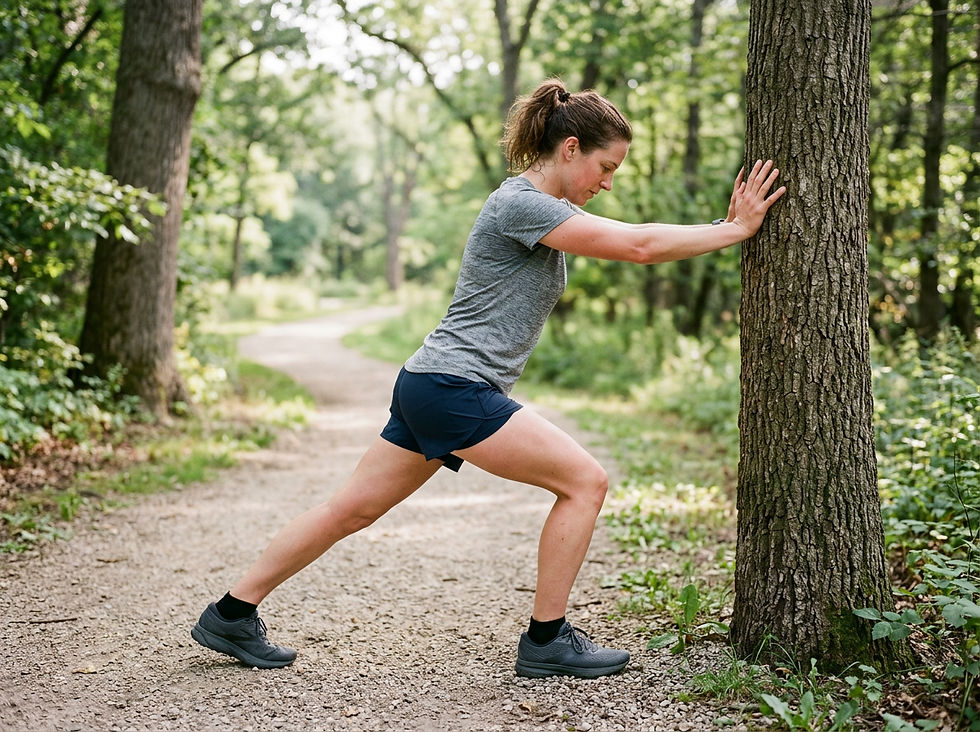
Regular stretching can enhance your range of motion. Include gentle yoga or guided stretching sessions into your routine.
Monitor Your Progress
Keep a journal of your exercises and milestones. This can help you stay motivated and focused on your recovery goals.
Seek Professional Guidance
Consider working with a physiotherapist. They can provide tailored exercises and monitor your progress effectively.
ACL Recovery Timeline at a Glance
Weeks 0–2: Pain and swelling control, gentle mobility.
Weeks 3–6: Range of motion and basic strength.
Weeks 6–12: Progressive strengthening and balance.
Months 3–6: Dynamic drills and agility.
Months 6–9+: Return to sport readiness.
Conclusion
Recovering from an ACL injury is a journey. It requires patience, dedication, and a structured approach. By following these guidelines, you can work towards a strong comeback. Remember, every step you take brings you closer to your goal.
© 2026 Gloucester Sports Clinic | Contact: info@gloucestersportsclinic.co.uk
---wix---


Comments